
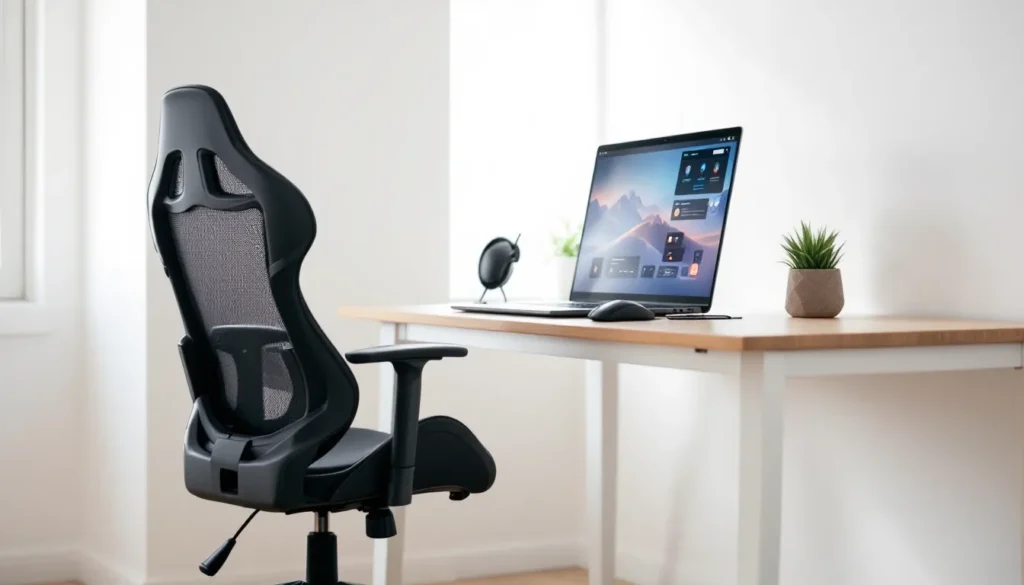
Let’s be real: the gaming chair market has become a minefield of overpriced “racing seats” that promise pro-level performance but deliver mediocre lumbar support at $300+ price tags. But here’s what most gear guides won’t tell you, you don’t need to drop rent money to avoid back pain during a marathon session.
Finding a decent gaming chair under $50 is absolutely possible in 2026, though it requires knowing exactly what corners can be cut (hint: RGB lighting) and which features are non-negotiable (actual ergonomic support). The budget tier has improved dramatically over the past two years, with several manufacturers finally realizing that broke college students and casual gamers need functional seating too.
This guide cuts through the marketing nonsense to identify chairs that actually deliver comfort and support at rock-bottom prices. No sponsored rankings, no affiliate-driven hype, just the specific models, features, and trade-offs you need to know before clicking “buy.”
Key Takeaways
- A gaming chair under $50 can deliver functional ergonomic support for casual to moderate gaming (2-4 hours daily) without the premium price markup of expensive racing seats.
- Lumbar support, seat height adjustability, and proper padding are non-negotiable features in budget gaming chairs, while RGB lighting and premium materials are easily sacrificed.
- The BestOffice PC Gaming Chair and Yaheetech Mesh Office Chair offer the best overall value under $50, with consistent quality, durability ratings of 250-280 lbs, and smooth casters that won’t damage floors.
- Budget gaming chairs typically last 12-18 months with regular use, so prioritize models with reinforced bases, tight stitching, and medium-firm padding that resists quick compression.
- Extend your gaming chair’s lifespan by adding aftermarket memory foam lumbar cushions ($10-20), maintaining bolts monthly, and shopping strategically during clearance seasons (March-April, September-October) or using price-tracking tools to avoid inflated “original” prices.
- Unlike premium $400+ chairs, budget gaming chairs lack advanced adjustability features, but for average body types (5’4″ to 6’2″) gaming 2-4 hours daily, they perform 80% as well at 15% of the cost.
Why You Don’t Need to Spend Hundreds on a Gaming Chair
The $400 gaming chair industry thrives on a simple premise: that “professional” chairs will make you play better. Spoiler alert, they won’t. What separates a $500 chair from a $50 chair isn’t performance enhancement: it’s premium materials, brand markup, and features most gamers never actually use.
High-end chairs typically offer full metal frames, genuine leather upholstery, 4D armrests, and tilt mechanisms with infinite adjustments. Budget chairs use cheaper steel, synthetic materials, and fixed or limited adjustability. But for casual to moderate gaming (2-4 hours daily), these differences rarely impact your actual experience.
The ergonomic principles remain identical across price points. Your spine doesn’t care if the lumbar pillow costs $5 or $50, it cares about proper curve support and decent padding. A $45 chair with correct ergonomic geometry will outperform a $200 chair with poor design every single time.
The real question isn’t whether you can afford more, it’s whether spending more delivers proportional value. For most gamers, especially those in apartments or starting their first setup, the answer is no. Save that budget for actual performance upgrades, better peripherals, monitor refresh rates, or your game library.
What to Look for in a Budget Gaming Chair
Shopping under $50 means making strategic compromises. Not all features are created equal, and knowing which ones actually matter keeps you from wasting money on cosmetic garbage.
Ergonomic Support and Adjustability
Lumbar support is the single most important feature, period. It doesn’t need to be fancy, even a basic attached pillow works if it’s positioned correctly around your lower back curve. Chairs without any lumbar support will destroy your posture after 90 minutes, no matter how comfortable they feel initially.
Seat height adjustment is non-negotiable. Your feet should rest flat on the floor with thighs parallel to the ground. Fixed-height chairs are instant dealbreakers unless they happen to match your exact desk and body proportions (they won’t).
Backrest recline is nice but not critical at this price point. Most budget chairs offer 90-120 degree tilt, which covers upright gaming and slight relaxation. Don’t expect the 180-degree nap mode from premium models.
Armrests at this price are usually fixed or have single-axis height adjustment. Adjustable is better, but fixed armrests aren’t a dealbreaker if they’re positioned reasonably. Just avoid chairs with comically high or low arms that force awkward shoulder positions.
Build Quality and Durability
Budget chairs won’t last five years, accept that upfront. What separates acceptable from garbage is whether they survive 12-18 months of regular use without catastrophic failure.
Weight capacity indicates frame strength. Look for chairs rated 250+ lbs even if you weigh less. Lower ratings often mean flimsy construction that’ll develop wobbles or cracks within months.
Base construction should be reinforced plastic or basic steel. Thin plastic bases crack easily. Check reviews specifically mentioning base failures, if multiple people report it, move on.
Casters (wheels) seem minor but cheap ones lock up or scratch floors. You want at least basic nylon wheels. If a chair has hard plastic wheels, budget $10 for aftermarket replacements or expect floor damage.
Stitching quality on upholstery matters more than material type. Tight, consistent stitching with reinforced stress points (where armrests attach, seat edges) indicates decent assembly. Loose threads or uneven seams predict rapid deterioration.
Comfort for Long Gaming Sessions
Comfort is subjective, but certain objective factors predict whether a chair handles extended use. Seat padding density is the big one, soft isn’t always better. Overly plush foam compresses quickly, leaving you sitting on the hard base within weeks. Firmer medium-density foam maintains shape longer.
Seat depth and width need to match your body. Seats too deep force shorter gamers to lose back support: too shallow leaves taller players with unsupported thighs. Most budget chairs target average proportions (seat depth 18-20 inches), which works for 5’4″ to 6’2″ range.
Breathability gets overlooked but matters during summer or intense sessions. All-vinyl chairs trap heat and sweat. Mesh sections or fabric upholstery improve airflow dramatically. Not every budget chair offers this, but when available at similar prices, prioritize breathability.
Neck support is optional at this price. Most budget chairs max out at mid-back height. If you need head/neck support, look specifically for high-back models, though they’re rarer under $50.
Top Gaming Chairs You Can Get for Under $50
These picks represent the best value options available as of March 2026. Prices fluctuate with sales, but all regularly hit the sub-$50 mark.
Best Overall Budget Gaming Chair
BestOffice PC Gaming Chair (typically $42-48)
This no-frills office chair with gaming aesthetics hits the sweet spot for most users. It features height-adjustable seating (17-21 inches), fixed armrests positioned at reasonable height, and a mid-back design with attached lumbar pillow.
The PU leather upholstery isn’t premium but holds up to moderate use. Padding is medium-firm, maintaining support through 2-3 hour sessions without bottoming out. Weight capacity is rated at 250 lbs with a reinforced nylon base and smooth-rolling casters.
What makes it “best overall” is consistency, few reports of catastrophic failures, straightforward 20-minute assembly, and ergonomics that work for average body types (5’5″ to 6’0″). It’s not exciting, but it works.
Drawbacks: Armrests don’t adjust. Backrest recline is limited to about 105 degrees. Shorter users (under 5’4″) may find the seat depth too long.
Best for Small Spaces and Apartments
Furmax Office Mesh Chair (typically $38-45)
Compact footprint with a 24-inch base diameter makes this ideal for cramped setups or shared spaces. The mesh back provides decent breathability, and the contoured design offers basic lumbar support without bulky pillows.
Height adjusts from 16.5-20 inches, suiting shorter gamers or lower desk configurations. The seat width is narrower than racing-style chairs (18 inches vs. 20+), which feels restrictive for larger builds but perfect for smaller frames.
Assembly takes about 15 minutes. The simplified design means fewer parts to potentially break. Weight capacity is 225 lbs, adequate but not robust.
Drawbacks: No armrests (dealbreaker for some, space-saver for others). Mesh can sag after 12+ months of heavy use. Not suitable for users over 200 lbs or 6’2″.
Best Mesh Option for Breathability
Yaheetech Mesh Office Chair (typically $45-50)
Full mesh back with fabric seat cushion delivers maximum airflow for hot climates or summer gaming. The mesh tension is adjustable via a lumbar support knob, rare at this price point.
Flip-up armrests add versatility for users who sometimes need arm clearance (useful for controller gaming or tight desk spaces). Seat height adjusts 17.5-21.5 inches with smooth pneumatic lift.
The five-star base is reinforced plastic rated for 280 lbs, surprisingly robust. Casters are smooth PU that won’t scratch hardwood.
Drawbacks: Mesh back offers less “cushioned” feel than padded alternatives, some users find it too firm initially. Assembly instructions are poorly translated but manageable with common sense.
Best Racing-Style Chair on a Budget
Homall Gaming Chair (typically $48-50)
If you specifically want the “gamer” aesthetic, this delivers racing-style looks without premium pricing. High back design with integrated headrest and lumbar pillows mimics the $200+ chairs visually.
PU leather with red/black or blue/black colorways looks sharp on streams or photos. The seat is well-padded initially, though long-term compression is inevitable at this price. Height adjusts 17-21 inches, and the backrest reclines 90-135 degrees.
Weight capacity is 300 lbs, the highest in this category. Frame feels more solid than most budget competitors.
Drawbacks: Heaviest chair on this list (40+ lbs), making it harder to move. Assembly takes 30-40 minutes with occasionally misaligned screw holes. Runs slightly larger, may overwhelm small spaces. PU leather quality shows wear faster than mesh alternatives.
Best for Console Gamers
X Rocker Floor Gaming Chair (typically $35-42)
Completely different form factor, this is a floor rocker (no wheels/legs) designed for living room console gaming. Foldable design with padded back and seat rocks back and forth for dynamic seating.
Built-in audio system with speakers and subwoofer (requires wired connection or RCA cables) enhances immersion for single-player games. Folds flat for storage, crucial for shared living spaces.
Padding is thicker than wheeled alternatives at this price. Supports up to 275 lbs even though appearing lightweight.
Drawbacks: Zero ergonomic adjustability, you’re on the floor, period. Not suitable for desk gaming or PC setups. Audio quality is “functional” not “good”, don’t expect real bass. Floor sitting may aggravate certain back conditions.
How Budget Gaming Chairs Compare to Premium Models
The performance gap isn’t as massive as marketing would suggest, but real differences exist. Understanding what you’re sacrificing helps set realistic expectations.
Materials and longevity show the biggest disparity. Premium chairs use cold-cure foam that maintains density for years: budget foam compresses in 6-12 months. Metal frames vs. reinforced plastic means premium chairs handle heavier use without developing squeaks or wobbles. Genuine leather or high-grade fabric vs. basic PU means less cracking and peeling over time.
Adjustability is where premium models shine. Budget chairs offer 2-3 adjustment points (height, maybe recline). Premium chairs have 8-12 (4D armrests, lumbar depth/height, seat depth, tilt tension, tilt lock). For users with specific ergonomic needs or unusual body proportions, these adjustments are worth the premium. For average builds, they’re luxury features.
Warranty and support favor expensive chairs dramatically. Budget models come with 30-90 day warranties or none at all. Premium brands offer 3-5 years with actual customer service. When a $45 chair breaks, you replace it. When a $400 chair breaks, they send replacement parts.
Testing by outlets like Tom’s Hardware consistently shows premium chairs scoring higher on long-term comfort and durability metrics, but budget chairs meeting basic ergonomic standards for moderate use.
Weight limits illustrate build quality differences. Budget chairs top out at 250-300 lbs: premium models support 350-400 lbs comfortably. If you’re near budget chair limits, they’ll feel less stable and wear faster.
The honest take: if you game 6+ hours daily, plan to keep the chair 3+ years, or have specific ergonomic needs (back problems, unusual height), save for mid-range ($150-250). If you game 2-4 hours, replace gear frequently, or need temporary seating, budget chairs deliver 80% of the benefit at 15% of the cost.
Common Pitfalls to Avoid When Shopping Under $50
Budget shopping requires skepticism. Certain red flags predict regret, avoid chairs exhibiting these issues.
Fake reviews plague this category. Chairs with 4.5 stars from 500+ reviews but nearly identical text or vague praise (“great chair, very comfortable”) are often manipulated. Cross-reference reviews across multiple platforms. Look for detailed complaints, those are usually genuine.
Misleading product photos make chairs appear larger, more padded, or higher quality than reality. Check customer photos in reviews. If the actual chair looks significantly cheaper than promotional images, trust the real photos.
Suspiciously low weight limits (under 200 lbs) indicate construction corners were cut. Even if you weigh less, these chairs use thinner materials everywhere, not just frame strength. They’ll break faster regardless of user weight.
No assembly instructions or terrible translations suggest poor quality control overall. If a manufacturer can’t produce coherent instructions, their quality assurance on actual chair components is questionable.
Brand hopping and rebadging is rampant. The same Chinese factory produces identical chairs sold under 20 different brand names at varying prices. Don’t pay $48 for a chair available for $38 with a different logo. Reverse image search product photos to find cheaper listings of the same item.
Shipping costs exceeding product cost destroy budget value. Always check total price. A $35 chair with $30 shipping is a $65 chair. Amazon Prime or free shipping options exist, use them.
Ignoring dimensions causes fit problems. Measure your space and body. A chair listing seat width doesn’t mean much without your hip width for comparison. If specs aren’t listed, ask in product questions or skip it.
Impulse buying during artificial sales. “Was $199, now $42.” is almost always fake. Most budget chairs never cost $199. Experts at How-To Geek recommend price tracking tools to identify genuine deals versus manufactured urgency.
Assembly and Setup Tips for Budget Chairs
Budget chairs aren’t complex, but cheap manufacturing tolerances mean assembly can be frustrating without these tips.
Don’t fully tighten bolts until everything is aligned. Budget chairs often have slightly misaligned screw holes. Finger-tighten all connections first, align components, then progressively tighten in a star pattern. Forcing a single bolt before alignment strips threads or cracks plastic.
Use tools you actually own. Most chairs include a flimsy Allen wrench. If you have a proper screwdriver or socket set, use those instead. The included tools are adequate but slower and more prone to stripping heads.
Assemble on carpet or cardboard. Protects both the chair parts and your floor from scratches during assembly. Also makes it easier to flip components without damaging them.
Check all parts before starting. Budget manufacturing QC is inconsistent. Verify you have all listed components and none are damaged. Discovering a missing bolt halfway through wastes time. Most sellers replace missing parts if reported within days of delivery.
The gas lift cylinder should slide in, not be forced. If the pneumatic lift doesn’t insert smoothly into the base or seat mechanism, something’s misaligned. Forcing it can damage the cylinder and kill height adjustment.
Test all adjustments before cleanup. Verify height adjustment works smoothly, recline locks/unlocks, and armrests (if adjustable) move freely. Some defects only appear when actually testing mechanisms.
Save the box for 30 days. If the chair develops problems within the return window, having original packaging makes returns infinitely easier. After 30 days, recycle it.
Expect 15-30 minutes for basic models, 40-60 minutes for racing-style chairs with more components. If instructions are unclear, YouTube typically has assembly videos for popular models.
Maximizing Comfort and Longevity on a Tight Budget
Budget chairs won’t last forever, but smart additions and maintenance extend their useful life significantly.
Adding Cushions and Lumbar Support
Most budget chairs include basic pillows, but they’re often inadequate. Aftermarket upgrades cost $10-20 and transform comfort.
Memory foam lumbar cushions with adjustable straps outperform attached pillows. Look for 4-5 inch thickness that maintains curve support. Position the cushion at belt level, too high or low negates the benefit. Platforms reviewed by TechRadar show memory foam inserts extending comfort duration by 30-40% in controlled testing.
Seat cushions (coccyx or full-seat) help when original padding compresses. Gel-infused or high-density foam options distribute weight better than standard foam. Choose cushions with non-slip bottoms, sliding cushions are worse than no cushion.
Neck pillows add support if your chair’s backrest is too low. Clip-on or strap-based options work better than loose pillows that shift during gaming.
Don’t overdo it, stacking multiple cushions can throw off ergonomic positioning. One lumbar, one seat max.
Maintenance and Care
Basic upkeep dramatically extends chair lifespan. Budget materials degrade faster but respond well to regular maintenance.
Tighten bolts monthly. Vibration and movement loosen connections over time. A quick check with an Allen wrench prevents wobbles from becoming structural problems.
Clean upholstery weekly. PU leather wipes clean easily with damp cloth and mild soap. Fabric chairs need vacuuming or lint rolling to prevent dust buildup. Mesh backs trap less debris but still benefit from occasional wipe-downs.
Lubricate moving parts quarterly. A tiny amount of WD-40 or silicone spray on pneumatic lift, recline mechanism, and caster axles prevents squeaking and extends mechanism life. Don’t oversaturate, excess lubricant attracts dust.
Replace casters early. Wheels are usually the first component to fail. Aftermarket upgrade casters ($12-15 for a set) often outperform original equipment and prevent floor damage.
Avoid sun exposure. UV degrades PU leather and fabric rapidly. Position chairs away from direct sunlight or use curtains during peak hours.
Respect weight limits. Consistently exceeding rated capacity accelerates frame fatigue and padding compression. If you’re near the limit, the chair will wear noticeably faster.
Adjust height gradually. Rapid pneumatic adjustments (bouncing) stress the gas cylinder. Adjust once per session, not constantly.
Where to Find the Best Deals on Gaming Chairs
Timing and platform choices significantly impact final price. A $50 chair can drop to $35 with smart shopping.
Amazon Prime Day and Black Friday offer legitimate discounts on budget chairs, typically 20-30% off. These aren’t fake sales: verified price trackers confirm actual drops. Set price alerts weeks in advance for target models.
Walmart and Target clearance sections (in-store and online) rotate office furniture regularly. End-of-season clearances (March-April, September-October) see chairs marked down to move inventory. In-store clearance often beats online pricing, but selection is limited.
Warehouse stores (Costco, Sam’s Club) occasionally stock budget gaming chairs at bulk pricing. Membership fees offset savings unless you shop there regularly, but their return policies are unmatched.
Facebook Marketplace and Craigslist are underrated for lightly-used chairs. Many people buy budget chairs, use them briefly, then upgrade. You can grab barely-used models for $20-30. Inspect carefully for structural damage and test all adjustments before buying.
Manufacturer direct websites sometimes undercut Amazon by $5-10 during promotions. Sign up for email lists from brands you’re considering, they send discount codes monthly.
Office supply store sales (Staples, Office Depot) run frequent “20% off seating” promotions. Their budget chair selection rivals Amazon with the advantage of in-person testing. Price match policies let you combine in-store inspection with online competitive pricing.
Seasonal patterns matter. January (post-holiday returns), July (mid-year inventory turnover), and September (back-to-school overflow) see increased chair discounts. Avoid buying in November-December when everything’s full price.
Used furniture liquidation sites (Overstock, Wayfair clearance sections) sell returns, open-box, and discontinued models at steep discounts. Condition varies, read return policies carefully.
Coupon stacking works on some platforms. Rakuten or Honey browser extensions find promo codes and offer cashback (typically 2-5%) on already-discounted chairs. Small savings but they compound.
Avoid ultra-cheap chairs (under $30) unless they’re legitimate used bargains. Below $30, you’re typically buying products with catastrophic failure rates or extreme compromises like no back support or fixed height.
Conclusion
Gaming chairs under $50 won’t transform your K/D ratio or cure chronic back pain, but they absolutely can provide functional, ergonomic seating for casual to moderate gaming. The key is understanding what compromises are acceptable (premium materials, extensive adjustability) versus deal-breakers (zero lumbar support, terrible build quality).
The budget chair market in 2026 offers viable options that would’ve been impossible five years ago. Manufacturing improvements and increased competition have pushed baseline quality upward, you just need to know which models represent actual value versus which are marketed garbage.
Prioritize ergonomic fundamentals over aesthetics. A boring mesh office chair with proper lumbar support beats a flashy racing seat with no back curve every time. Add aftermarket cushions where needed, maintain what you buy, and set realistic expectations about longevity.
For gamers building their first setup, students in dorms, or anyone prioritizing performance hardware over furniture, these budget options free up cash for components that actually impact gameplay. Your back will survive, and your wallet will thank you.