
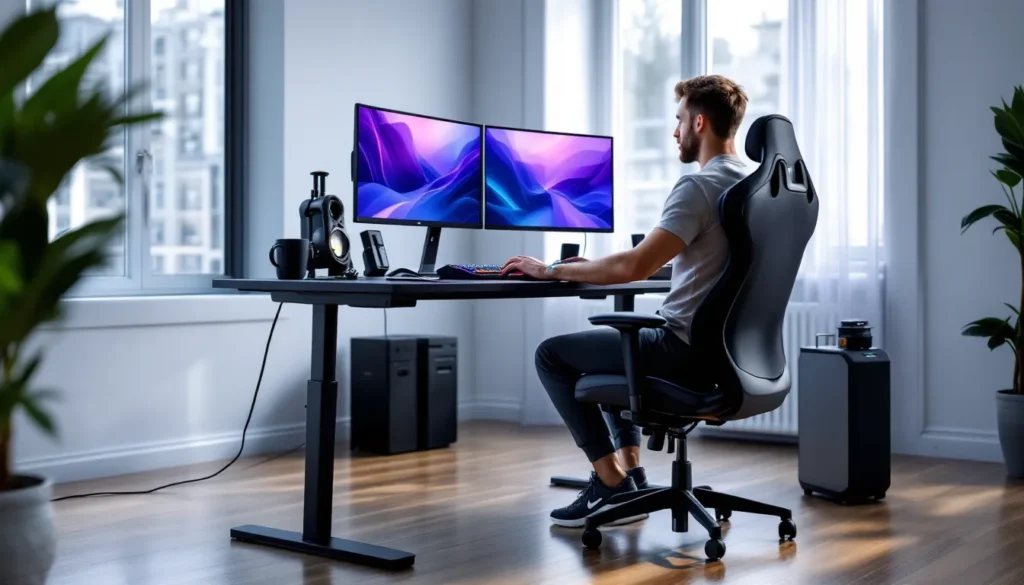
Most gamers obsess over their rigs, peripherals, and monitors, but ignore what’s literally beneath their feet. That’s a mistake. Spending 6, 8, or even 12 hours in a chair during marathon sessions puts surprising stress on your feet, ankles, and lower body, and the wrong footwear can lead to circulation issues, poor posture, and fatigue that sneaks up on your focus when it matters most.
Gaming shoes aren’t about running faster in real life. They’re about comfort, support, and circulation during those extended raids, ranked grinds, or tournament prep sessions. In 2026, the market has evolved beyond novelty branded sneakers into genuinely engineered footwear designed for the unique demands of sedentary gaming and active VR play alike. Whether you’re a competitive esports player optimizing every edge or a casual gamer who just wants to feel better after a long Saturday session, the right pair can make a tangible difference.
This guide breaks down everything you need to know: what gaming shoes actually are, which features matter, how they stack up against athletic alternatives, and how to pick the right pair for your setup and playstyle.
Key Takeaways
- Gaming shoes are engineered footwear specifically designed to combat circulation issues, fatigue, and poor posture during extended gaming sessions, making them distinct from regular athletic or fashion sneakers.
- The gaming footwear market has matured beyond novelty branded products into legitimate options with features like compression zones, memory foam insoles, breathable mesh uppers, and temperature-regulation technology that directly support long hours of seated or VR-based play.
- Gaming shoes prioritize static comfort and circulation support for sedentary play, while VR-specific designs emphasize lightweight construction and 360-degree grip for rapid movement and pivoting.
- Performance-focused gaming shoes like Puma Active Gaming Footwear 2.0 and Secretlab Stealth Pro cater to serious gamers, while budget-friendly alternatives under $60 (such as Skechers Go Walk series) provide solid comfort without premium pricing.
- Proper footwear directly impacts gaming performance by reducing physical distractions from discomfort, temperature, and poor circulation—allowing your brain to dedicate more cognitive resources to gameplay, strategy, and reaction time.
- Gaming shoes should be treated as dedicated indoor footwear with regular maintenance including insole replacement every 6-8 months, proper storage, and pairing with moisture-wicking socks to maximize comfort and lifespan.
What Are Gaming Shoes and Why Do Gamers Need Them?
Gaming shoes are footwear specifically designed, or optimized, for the physical demands of gaming. That includes everything from prolonged sitting at a desk to active movement in VR environments. Unlike fashion sneakers or running shoes, gaming footwear prioritizes features like enhanced circulation support, anti-fatigue cushioning, and temperature regulation for stationary or low-movement scenarios.
The premise sounds niche, but it’s grounded in real physiology. When you’re seated for hours, blood flow to your lower extremities decreases. Your feet can swell, get cold, or go numb. Poor footwear, or worse, going barefoot or wearing slippers, compounds the issue and can even affect posture, which in turn impacts focus and reaction time.
The Evolution of Gaming Footwear
Gaming shoes started as marketing gimmicks. Around 2019-2020, a few brands released sneakers with RGB lighting and flashy esports team branding, but they were just rebranded casual shoes with little functional difference. Gamers saw through it.
By 2023, the conversation shifted. Peripheral brands and footwear companies began consulting with esports athletes, physiotherapists, and ergonomic specialists. The result? Shoes with actual design consideration for gaming-specific use cases: memory foam insoles for long sits, moisture-wicking linings for temperature control, and even weighted soles for VR players who need better grounding during rapid directional changes.
In 2026, gaming shoes are a legitimate category. Companies like Puma, Adidas, and niche players like Secretlab (yes, the chair company) and Respawn have footwear lines targeting gamers, and the designs are informed by real biomechanics data rather than pure aesthetics.
How Gaming Shoes Differ from Regular Sneakers
Regular sneakers are built for walking, running, or style. Gaming shoes are built for not moving much, or moving in very specific ways.
Here’s the key difference: regular sneakers prioritize forward motion and impact absorption. Running shoes have cushioning in the heel and forefoot to absorb the shock of each stride. Basketball shoes focus on lateral support and ankle stability for quick cuts.
Gaming shoes prioritize circulation, static comfort, and temperature stability. They often feature:
- Compression zones or gentle arch support to encourage blood flow during prolonged sitting
- Flat, stable soles that don’t encourage rolling or rocking (you’re not going anywhere)
- Breathable mesh uppers to prevent sweaty feet during tense ranked matches
- Minimal break-in period, comfort right out of the box matters when you’re gaming the same day
For VR gaming, the design philosophy flips slightly: gaming shoes need grip, lightweight construction, and flexibility to support rapid pivots, crouches, and lateral movement without the bulk of cross-trainers.
Key Features to Look for in Gaming Shoes
Not every feature matters for every gamer. Your priorities depend on whether you’re grinding ranked League for 10 hours straight or doing Beat Saber cardio in VR. But these are the core specs worth evaluating.
Comfort and Cushioning for Extended Sessions
This is non-negotiable. If your shoes aren’t comfortable after four hours, they’re not gaming shoes.
Look for:
- Memory foam or gel insoles that mold to your foot shape and distribute pressure evenly
- Padded collars and tongues to prevent pressure points around the ankle
- Roomy toe boxes that don’t cramp your toes (especially important if your feet swell slightly during long sessions)
Some 2026 models feature adaptive cushioning, foam that firms up or softens based on pressure and temperature. It’s not magic, just smart materials, but it works.
Avoid shoes that feel stiff or require significant break-in. You shouldn’t have to “earn” comfort.
Breathability and Temperature Control
Cold feet are distracting. Sweaty feet are worse.
Gaming shoes should have mesh panels or perforated uppers that allow airflow without sacrificing structure. Some models use moisture-wicking liners similar to athletic socks, pulling sweat away from the skin to keep feet dry during clutch moments.
Temperature regulation isn’t just about comfort, it’s about focus. Studies show that discomfort (including from temperature) diverts cognitive resources away from task performance. In gaming terms, that’s the difference between hitting your shots and whiffing because you’re subconsciously aware your feet feel gross.
Support and Posture Enhancement
Your feet are the foundation of your posture, even when seated. Shoes with proper arch support help maintain neutral alignment in your ankles, knees, and hips, which reduces strain on your lower back during marathon sessions.
Look for:
- Contoured insoles that support the natural arch of your foot
- Heel cups that cradle the heel and prevent it from sliding or pronating excessively
- Firm midsoles that don’t compress unevenly over time
This is where gaming shoes with input from physiotherapists shine. Poor posture doesn’t just cause discomfort, it can lead to chronic issues if you’re gaming 20+ hours a week.
Grip and Stability for Movement
If you’re a PC or console gamer who rarely leaves the chair, grip might seem irrelevant. But even small movements, shifting your weight, stretching your legs, or repositioning, benefit from stable footing.
For VR gamers, grip is critical. Smooth-soled shoes on hardwood or tile can lead to slips during fast dodges in Blade & Sorcery or quick turns in Pavlov VR. Look for rubber outsoles with tread patterns designed for indoor surfaces. Some brands explicitly market “VR-ready” shoes with 360-degree grip zones.
Stability also matters for gamers who use standing desks or alternate between sitting and standing. A wide, flat base prevents wobble and promotes better weight distribution.
Top Gaming Shoe Brands and Models in 2026
The gaming footwear market has matured quickly. Here’s what’s actually worth considering in 2026, broken down by use case.
Performance-Focused Gaming Footwear
These are the shoes designed with input from esports pros and ergonomic specialists. They’re not cheap, but they deliver measurable comfort and support.
- Puma Active Gaming Footwear 2.0: Updated from the 2020 original, the 2.0 series features adaptive memory foam insoles, reinforced heel cups, and breathable knit uppers. Popular among pro players attending LAN events and bootcamps. Retails around $120-$140.
- Secretlab Stealth Pro Sneakers: Yes, the chair company makes shoes now. Released in late 2025, these focus on circulation support with compression zones and cooling gel inserts. Designed for long sessions. $110.
- Adidas VR Grip Series: Explicitly built for VR gaming, these lightweight shoes have 360-degree rubber traction and flexible uppers for rapid movement. Used by competitive Echo VR players. $95.
All three have been positively reviewed by technology outlets for their actual ergonomic benefits, not just branding.
Style-Forward Options for Casual Gamers
Maybe you don’t want shoes that scream “gamer.” These options blend style with function.
- Nike Everyday Comfort Gaming Edition: A subtle redesign of Nike’s lifestyle line with gaming-friendly insoles and moisture-wicking liners. Looks like regular sneakers, performs like gaming shoes. $85.
- New Balance Fresh Foam series: Not explicitly marketed as gaming shoes, but many streamers and casual gamers swear by them for all-day comfort. The Fresh Foam X 1080v13 is a favorite. $150.
- Vans UltraRange EXO: Another non-gaming shoe that works brilliantly for gaming. Lightweight, breathable, and extremely comfortable for stationary use. $90.
These won’t have “gaming” plastered on them, but they deliver where it counts.
Budget-Friendly Alternatives
You don’t need to spend $150 to get decent footwear for gaming. These options under $60 are solid starting points.
- Skechers Go Walk series: Exceptionally comfortable, breathable, and designed for all-day wear. The Go Walk 6 is under $60 and gets high marks from gamers on forums. Not flashy, but effective.
- Champion Rally Pro: A budget sneaker with memory foam insoles and decent ventilation. $50 on average.
- Amazon Basics Memory Foam Slip-Ons: Seriously. For under $30, these slip-ons are surprisingly comfortable for casual gaming sessions. Not durable for daily use, but fine for dedicated gaming hours.
If you’re on a tight budget, prioritize insole quality and breathability over brand names.
Gaming Shoes vs. Athletic Shoes: Which Is Right for You?
Do you need dedicated gaming shoes, or can you just wear your running shoes? The answer depends on your gaming habits and what you already own.
When to Choose Dedicated Gaming Footwear
Go with gaming-specific shoes if:
- You game for 4+ hours regularly: The circulation and static comfort features make a noticeable difference during extended sessions.
- You experience foot fatigue, numbness, or swelling: Gaming shoes address these issues better than athletic shoes designed for motion.
- You alternate between sitting and standing: Gaming shoes with flat, stable bases are better for mixed postures than running shoes with elevated heels.
- You play VR regularly: VR-specific gaming shoes offer grip and flexibility that traditional athletic shoes don’t prioritize.
Dedicated gaming footwear is also worth it if you attend tournaments or LAN events where you’re gaming for 8-12 hours with minimal breaks.
Cross-Training Options That Work for Gaming
If you’re not ready to invest in gaming-specific shoes, some athletic categories work surprisingly well:
- Walking shoes: Designed for prolonged wear and comfort, walking shoes often have features that overlap with gaming shoes, cushioned insoles, breathable uppers, and stable soles.
- Cross-trainers: These balance cushioning and stability for mixed activities. Good for gamers who use standing desks or alternate between gaming and light exercise.
- Indoor court shoes (volleyball, badminton): Flat soles, excellent grip, and lightweight construction make them decent for VR gaming.
Avoid:
- Running shoes: The elevated heel and forward-biased cushioning aren’t ideal for stationary positions. They can actually encourage poor posture when seated.
- Basketball shoes: Too heavy and bulky for gaming. Ankle support is overkill unless you’re doing competitive VR dodging drills.
- Fashion sneakers: Usually prioritize looks over comfort. They’ll work in a pinch but won’t provide meaningful support for long sessions.
How Gaming Shoes Impact Health and Performance
The connection between footwear and gaming performance might seem indirect, but the biomechanics are straightforward. Discomfort and poor circulation create distractions, and distractions hurt performance.
Reducing Foot Fatigue and Circulation Issues
When you’re seated for hours, gravity causes blood to pool in your lower legs and feet. This can lead to swelling, numbness, tingling, or that uncomfortable “pins and needles” sensation when you finally stand up.
Gaming shoes with compression zones and supportive insoles help maintain better circulation by encouraging subtle shifts in pressure and providing arch support that keeps blood flowing more efficiently. It’s not a replacement for taking breaks and moving around, but it mitigates the worst effects.
Chronic poor circulation during gaming sessions can contribute to conditions like deep vein thrombosis (DVT) in extreme cases, though that’s rare for healthy individuals. More commonly, it just makes you uncomfortable and less focused during critical moments.
Supporting Proper Posture During Long Sessions
Your feet influence your entire kinetic chain. When your feet are improperly supported, whether by bad shoes or no shoes, your body compensates. Your ankles roll inward or outward, your knees shift, your hips tilt, and your spine curves to adjust. Over hours, this adds up to lower back pain, neck strain, and shoulder tension.
Shoes with proper arch support and stable heel cups help maintain neutral alignment from the ground up. This reduces strain on your lower back and encourages better sitting posture, which keeps your upper body in a more efficient position for mouse and keyboard control or controller handling.
Many gamers who switch to supportive footwear report less back pain and fewer tension headaches after long sessions. It’s not a miracle cure, but it’s a contributing factor worth addressing.
The Connection Between Footwear and Mental Focus
Discomfort is a cognitive load. When your feet hurt, feel cold, or are uncomfortably sweaty, your brain dedicates processing power to monitoring and managing that discomfort. That’s processing power that could be spent on game sense, reaction time, or strategy.
In competitive environments, even small distractions matter. Esports professionals often optimize seemingly minor variables, monitor height, chair angle, room temperature, for this exact reason. Footwear is part of that equation.
There’s no hard data showing that gaming shoes improve KDA or rank directly, but reducing physical distractions creates an environment where mental performance can peak. That’s the edge worth chasing.
Choosing the Right Gaming Shoes for Different Gaming Setups
Your gaming environment matters. A PC gamer in a racing sim rig has different needs than a VR player clearing space in their living room.
Best Shoes for PC and Console Gaming
For traditional seated gaming, PC, console, or racing/flight sims, prioritize static comfort, circulation support, and breathability.
Recommended features:
- Memory foam or gel insoles
- Breathable mesh uppers
- Flat, stable soles (no excessive heel lift)
- Compression zones or arch support
Top picks: Puma Active Gaming Footwear 2.0, Secretlab Stealth Pro, or budget options like Skechers Go Walk.
If you use a standing desk or alternate between sitting and standing, go for shoes with slightly firmer midsoles that provide better support when you’re upright. Walking shoes or cross-trainers work well here.
Racing sim enthusiasts should consider footwear with thin, flexible soles that allow better pedal feel. Some sim racers prefer driving shoes or minimalist sneakers for this reason.
Footwear for VR and Motion-Based Gaming
VR gaming is a different beast. You’re moving, pivoting, crouching, and sometimes jumping. Your shoes need to support that.
Recommended features:
- Lightweight construction (heavy shoes tire you out faster)
- 360-degree rubber grip for multi-directional movement
- Flexible uppers that allow natural foot articulation
- Low-profile design (chunky shoes mess with your balance)
Top picks: Adidas VR Grip Series, indoor court shoes, or lightweight cross-trainers.
Avoid running shoes for VR, they’re too cushioned and can feel unstable during rapid direction changes. Also skip anything with smooth soles or elevated heels.
Players who regularly engage with low-latency audio gear for VR often prioritize similarly responsive footwear to maintain immersion and reaction speed.
Esports Tournament and LAN Event Considerations
If you’re competing at LANs or tournaments, footwear becomes part of your travel and performance kit.
Considerations:
- Packability: Shoes that don’t take up half your bag are a plus. Low-profile sneakers or slip-ons work well.
- Quick on/off: You’ll be moving between stages, practice areas, and hospitality. Slip-ons or shoes with elastic laces save time.
- All-day comfort: Tournament days are long. Prioritize cushioning and breathability over style.
- Professional appearance: Some events have dress codes or sponsor expectations. Stick with clean, neutral designs unless you’re repping a team.
Many pros seen at events covered by gaming media outlets opt for performance-focused models like the Puma Active Gaming line, which balances function and presentation.
Caring for Your Gaming Shoes: Maintenance Tips
Gaming shoes live a relatively easy life compared to running shoes or work boots, but they still need care to last.
Cleaning and Odor Prevention
Gaming shoes can get funky, especially if you’re wearing them during intense ranked sessions or VR workouts.
Regular cleaning:
- Remove insoles and wash them separately with mild soap and warm water. Let them air dry completely before reinserting.
- Wipe down uppers with a damp cloth or use a soft brush for mesh materials. Avoid soaking the shoes unless they’re explicitly machine-washable.
- For machine-washable models, use a gentle cycle with cold water and air dry (never use a dryer, heat breaks down adhesives and foam).
Odor control:
- Use shoe deodorizer sprays or pouches with activated charcoal or baking soda. Drop them in after each session.
- Rotate between two pairs if possible. Giving shoes 24 hours to air out between wears drastically reduces odor buildup.
- Consider moisture-wicking gaming socks. They keep your feet drier, which means less bacteria growth and less smell.
If your shoes are past the point of no return on odor, replace the insoles before replacing the entire shoe. Fresh insoles can revive a well-worn pair.
Extending the Lifespan of Your Footwear
Gaming shoes should last 1-2 years with regular use, depending on quality and care.
Best practices:
- Use them only for gaming: Wearing your gaming shoes outside, especially on rough surfaces, accelerates wear. Keep them as dedicated indoor footwear.
- Store them properly: Don’t leave them crumpled under your desk. Store them in a dry, ventilated area. Shoe trees or stuffing them with newspaper helps them keep their shape.
- Replace insoles proactively: Insoles compress and lose support over time. Swap them out every 6-8 months for sustained comfort.
- Monitor sole wear: Even for stationary gaming, pivot points (ball of the foot, heel) can wear down. If you notice uneven compression or visible thinning, it’s time for new shoes.
Taking five minutes to clean and store your shoes after a long session adds months to their usable life.
Common Mistakes Gamers Make When Choosing Shoes
Even experienced gamers screw this up. Here are the most common pitfalls.
Assuming any comfortable shoe works: Comfort for walking isn’t the same as comfort for sitting. Running shoes, for example, often have elevated heels that throw off posture when you’re stationary. Choose shoes designed for the activity you’re actually doing.
Ignoring foot swelling: Your feet swell slightly during long sessions due to reduced circulation. Shoes that fit perfectly in the store might feel tight after four hours of gaming. Go for a slightly roomier fit, especially in the toe box.
Prioritizing looks over function: RGB-lit sneakers with esports branding look cool, but if they don’t have proper insoles or breathability, you’re paying for aesthetics and getting discomfort. Function first, style second.
Skipping break-in considerations: Some shoes need break-in time. That’s fine for everyday wear, but it’s a problem if you buy them for a tournament weekend and spend Saturday with blisters. Test shoes for at least a few sessions before high-stakes events.
Wearing outdoor shoes indoors: Outdoor shoes track dirt, retain moisture, and often have stiffer soles designed for pavement. Dedicated indoor gaming shoes stay cleaner, last longer, and provide better comfort for stationary use.
Not replacing insoles: Insoles wear out faster than the rest of the shoe. If your once-comfortable shoes suddenly feel flat and unsupportive, replace the insoles instead of assuming the whole shoe is done. Aftermarket insoles like Superfeet or Dr. Scholl’s Gaming Series can breathe new life into aging footwear.
Overlooking sock choice: Your socks matter as much as your shoes. Thick cotton socks trap heat and moisture. Thin synthetic or merino wool socks wick moisture and regulate temperature better. Match your socks to your shoes for optimal comfort.
Avoid these mistakes, and you’ll get better performance and longevity out of whatever shoes you choose.
Conclusion
Gaming shoes won’t make you a better player overnight, but they remove a variable that shouldn’t be holding you back. Foot discomfort, circulation issues, and poor posture are solvable problems, and footwear is part of the solution. Whether you’re grinding ranked for hours, competing at LANs, or diving into VR worlds, the right shoes keep you comfortable, supported, and focused.
In 2026, the market finally offers real options, not just branded gimmicks. From performance-focused models with compression zones to budget-friendly alternatives that deliver solid comfort, there’s something for every type of gamer and setup. Choose based on your actual needs: static comfort for PC and console gaming, lightweight grip for VR, or packable all-day support for esports events.
Treat your feet as part of your gaming setup. They’re not just along for the ride, they’re the foundation everything else rests on.